

To anyone, anywhere, at any time.
(MIA)
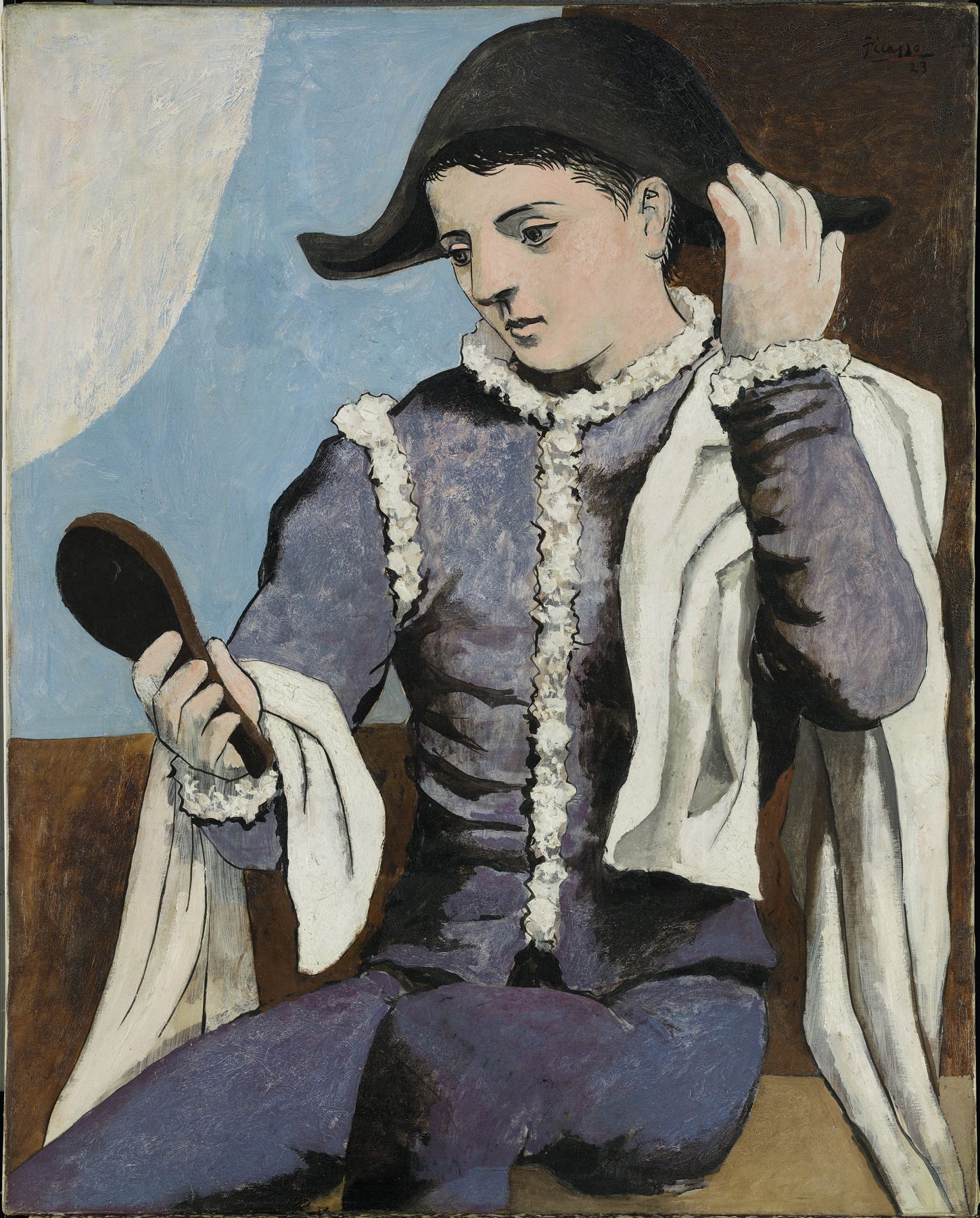
MeatSpace Institute of Arts collects, preserves, and presents works of art that define us: not behind glass, not behind walls, but alive and open on every screen.
We believe that access is a form of justice, that curiosity requires no admission fee, and that the distance between a person and the greatest art collections on earth should be precisely zero.
Through immersive digital experiences, rigorous scholarship, and genuine care for the communities we serve, we are building the museum the world always needed, and that only this moment makes possible.
Through partnerships with museums, artists, and curators, we explore new ways of presenting and experiencing art — extending exhibitions and collections beyond their physical boundaries into digital, immersive environments.
Our goal is not to replace physical culture, but to extend it: the Institute acting as a starting point for broader cultural participation, creating pathways between the virtual and the physical.
In doing so, we help institutions navigate the transition to the digital era, giving their exhibitions a parallel life online and connecting them with audiences who may never view them in person.
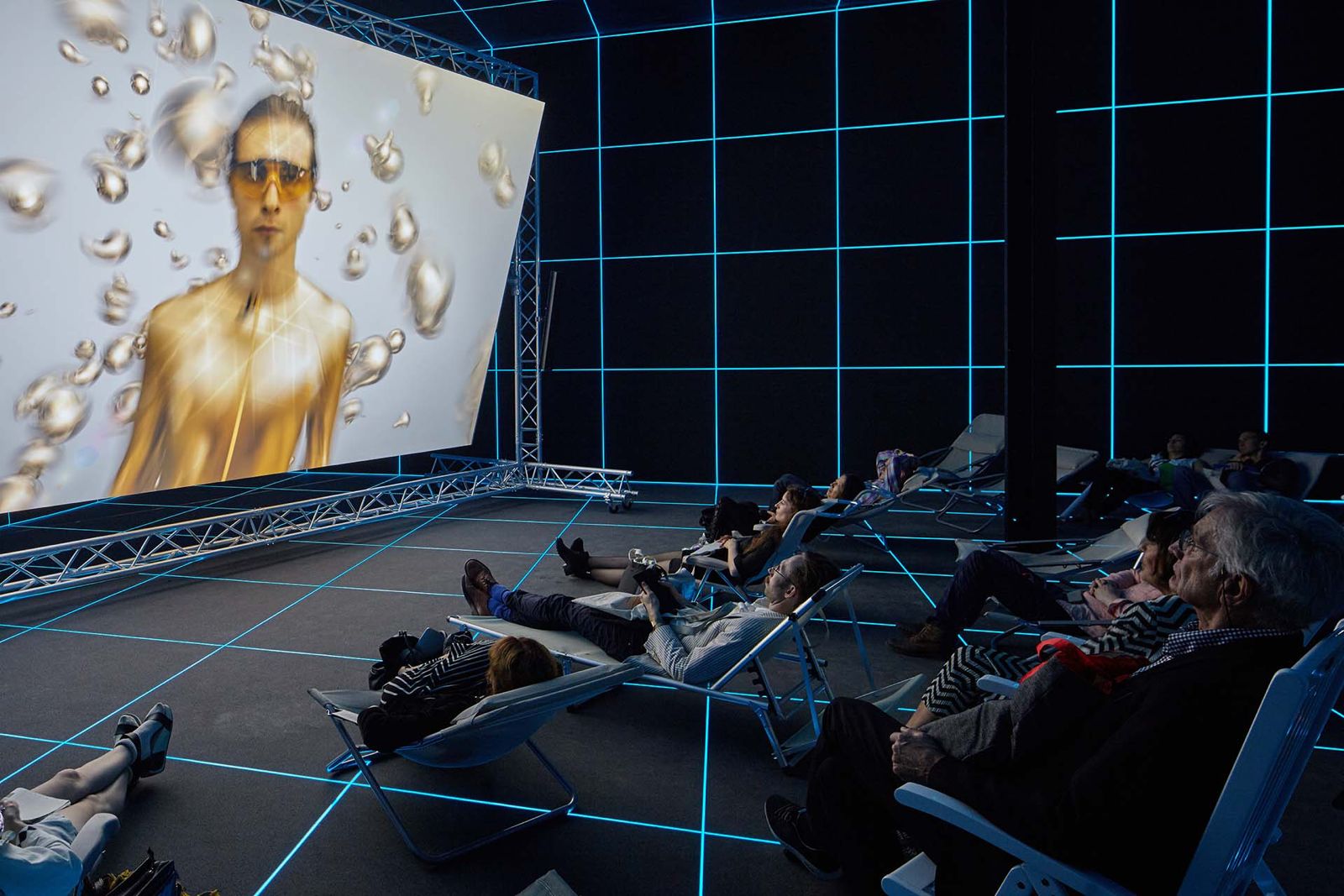
MIA is a digital and immersive museum currently existing within Fortnite. Rather than using the platform simply as a container, we treat virtual space as both a social and architectural medium — where people can interact in real time and encounter art spatially.
Our programme brings together seasonal exhibitions, guided walkthroughs, live events, performances, and talks — connecting artistic heritage with the avant-garde through an architectural grant program that funds new virtual architecture and spatial experience.
Major exhibitions, historical collections, contemporary art presentations, and educational programming.
Live events, performances, talks, screenings, and temporary artist commissions.
A social space inspired by multiplayer game spaces, public pavilions, museal gardens, and experimental digital architecture.
Fortnite is a global digital platform developed by Epic Games. Originally an online video game, it grew into an extensive environment for social interaction, entertainment, live events, and cultural experiences — reflecting a broader shift in how audiences engage with culture in digital spaces.
Epic Games is the company behind Fortnite and Unreal Engine, one of the world's leading real-time 3D creation technologies — providing the infrastructure for immersive digital environments and new interactive experiences.
The world's most visited physical museum caps at 9 million annual visitors. Fortnite reaches that audience in under three days.
Epic's ecosystem provides the most mature social infrastructure, the largest concurrent audience of any game platform, and a production-ready engine for high-fidelity digital art experiences.
MIA's architecture, content library, and brand identity are not owned by Epic Games. The institute is engineered to migrate seamlessly as the landscape evolves.
The way audiences discover, consume and engage with culture is increasingly online — through streams, social media, games, podcasts, short-form content and online communities.
Rather than rejecting them as secondary spaces, MIA seeks to critically inhabit them, transforming them into places for reflection, education, experimentation, and exchange. Our aim is not one rigid model of education, but the removal of barriers to participation.
We are committed to accessibility across language, geography, age, and ability. Our didactic content is intended to create points of entry into critical discourse — not to simplify it.
MIA aims to become a sustainable international cultural institution operating across virtual and physical environments — supporting artists and researchers, and developing new models of cultural accessibility.
In parallel, MIA will develop a hybrid publishing house for critical writing, exhibition catalogues, and experimental cultural content, alongside artist editions, apparel, collectibles, and digital objects — extensions of MIA's curatorial and editorial work.
Our Institute brings together artists, researchers, curators, cultural institutions and the public to examine how technology is changing the way art and culture are created, experienced, shared and preserved.
Much of the existing reporting on the future of culture is closely tied to the art market and its financial performance. MIA wants to contribute a different perspective — one focused on creation, cultural participation and the realities facing culture today.
Most importantly, we want to create a space for discussion about its future, contributing to a wider conversation with cultural and government institutions about how policies, infrastructures, and access can evolve with society.
How do we collect, document, and archive artworks that have no physical form?
What does it mean to acquire and preserve works that depend on software, hardware, digital platforms, networks, or social interaction to exist? Our aim is to develop new approaches to collecting, researching how such works can be documented, conserved, and made accessible over time — even as the technologies they depend on change.
MIA offers brands a rare opportunity: authentic, frictionless engagement with massive, digitally native audiences — without the banner-ad fatigue of traditional media.
Our sponsorship architecture is designed for cultural credibility.
A non-profit, diversified structure — every stream feeds back into the mission, funding exhibitions, grants, and platform evolution.
Memberships, donations, sponsorship.
State and local funding, and EU grants.
MIA is entering its seed phase — the critical window in which founding partners shape the institution's trajectory, governance, and cultural identity for years to come.
We welcome inquiries from funders, brands, institutions, and individuals who share our belief that digital space is the next great frontier for culture.